
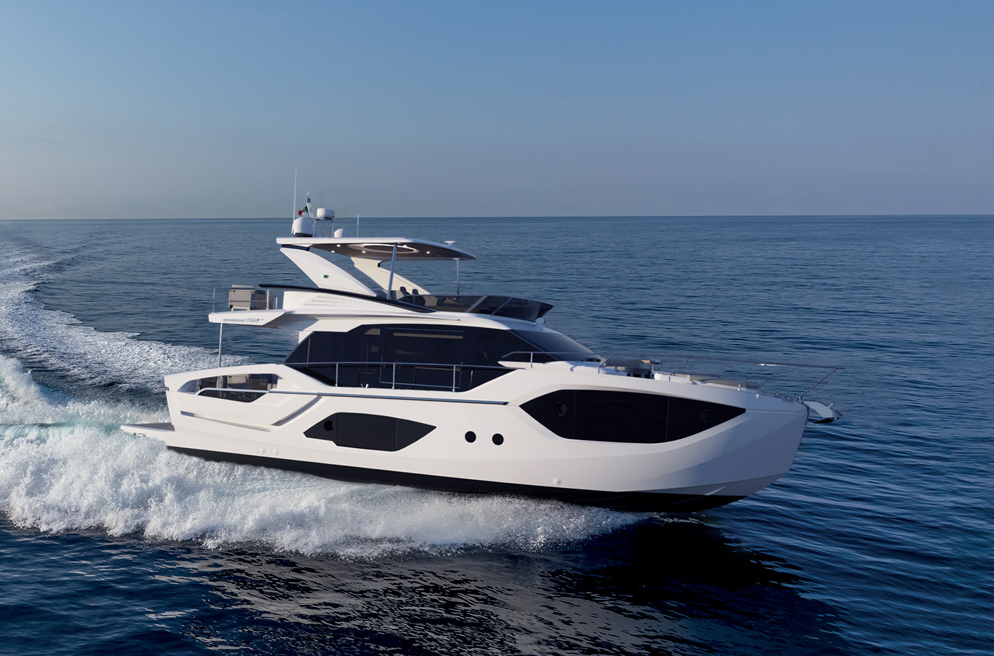
A boat’s interior can quietly shape the way people experience life on the water. Comfortable seating makes long journeys more enjoyable, while thoughtful textures and colors can turn a functional cockpit into a welcoming social space. Today, marine interiors are moving toward a balance of performance and personal expression. Choosing the right boat upholstery material has become an important part of that change, allowing owners to combine attractive design with the practical demands of boating. Boat Upholstery Broward specializes in professional upholstery for boats and yachts, helping owners create comfortable and customized marine interiors.
The New Meaning of Marine Comfort
Comfort aboard a boat is no longer limited to having a soft place to sit.
Modern seating considers support, cushion shape, foam quality, surface texture, and how passengers actually use the space.
A well-designed seat should remain comfortable during a short trip and a full day on the water.
That is why upholstery projects increasingly consider the complete seating system rather than focusing only on the exterior covering.
Material Choice Sets the Foundation
Every successful interior begins with an appropriate material.
Marine seating can encounter sunlight, water, salt, humidity, sunscreen, food, and repeated passenger movement. These conditions can quickly reveal weaknesses in unsuitable products.
A quality boat upholstery material should therefore combine attractive appearance with useful performance characteristics.
Owners should consider:
- UV resistance
- Moisture resistance
- Abrasion resistance
- Color retention
- Ease of cleaning
The right balance depends on the vessel and its intended use.
Texture Is Becoming a Design Statement
Modern marine interiors increasingly use texture to create visual interest.
A subtle grain can make a neutral surface feel more sophisticated. Contrasting textures can separate different sections of a cushion and give the seating a more custom appearance.
Texture also works well when owners prefer understated colors.
Instead of relying on bold shades, designers can create personality through surface variation and carefully selected finishing details.
Neutral Colors Create a Timeless Foundation
Neutral marine interiors continue to attract attention because they rarely feel outdated.
White, cream, beige, sand, and light gray can create a bright and relaxed atmosphere. Darker accents such as navy or charcoal can add contrast.
This approach also provides flexibility.
Owners can update decorative cushions, accessories, or small details later without replacing the entire interior.
Two Tone Seating Adds Personality
A two tone design can completely change the appearance of a cushion.
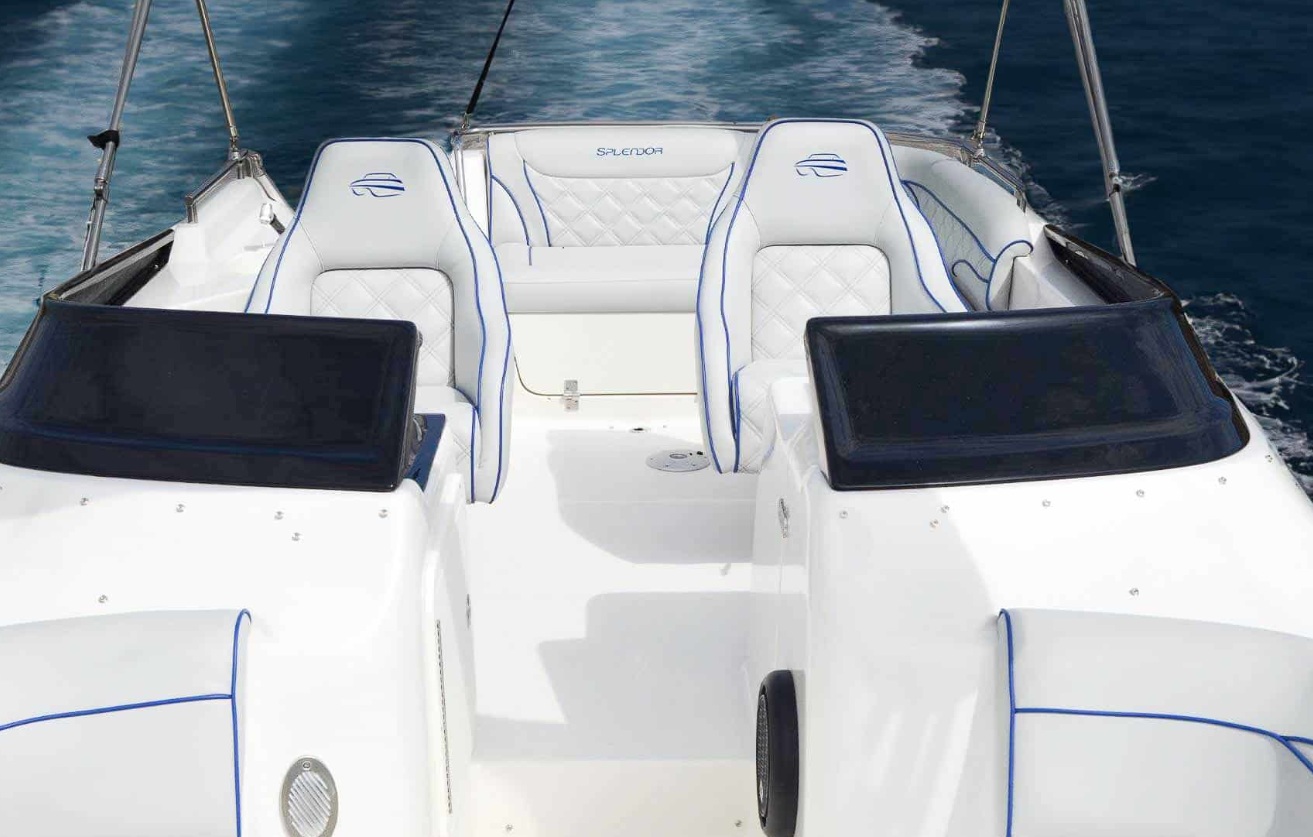
A light center panel paired with a darker border can emphasize the shape of the seat. A contrasting insert can create a focal point without making the interior feel overly busy.
This technique is particularly effective when the colors complement the boat’s exterior.
The selected boat upholstery material should support the design while remaining suitable for the seating’s location.
Details Make a Difference
Small finishing choices can have a surprisingly large impact.
Contrast stitching can emphasize individual panels. Decorative piping can define cushion edges. Custom embroidery can add a personal touch.
Other popular details include:
- Geometric stitching
- Diamond patterns
- Textured inserts
- Accent panels
- Custom logos
Used carefully, these features can create a refined appearance without compromising functionality.
Outdoor Seating Needs Serious Protection
Design becomes much more demanding when seating remains exposed.
Cockpit cushions, bow seating, and helm chairs may experience direct sunlight, rain, water spray, and heavy use.
This is where the performance of a boat upholstery material becomes especially important.
Protective covers can provide additional help by reducing exposure when the boat remains at the dock.
Foam Quality Should Not Be Ignored
A new surface cannot compensate for poor cushioning.
Older foam may become compressed or lose its resilience after years of use. Passengers may notice the problem most during longer trips.
An upholstery renovation provides an opportunity to inspect the foam and replace it when necessary.
The result can be a more comfortable seating system rather than simply a newer-looking surface.
Easy Maintenance Adds Everyday Value
A beautiful boat interior still needs to survive real life.
Salt, sunscreen, drinks, food, dirt, and sand can quickly reach seating during normal outings.
Materials that allow straightforward cleaning can make ownership easier.
A simple routine can include:
- Wiping seats after trips
- Removing salt residue
- Cleaning spills promptly
- Drying wet cushions
- Inspecting seams
- Following care instructions
Regular maintenance helps protect the investment in new upholstery.
Covers Can Extend Interior Life
Boats often spend more time at the dock than owners realize.
During those periods, seating may remain exposed to sunlight and weather.
A properly fitted cover can reduce unnecessary exposure and keep cushions cleaner.
However, owners should make sure the seating is completely dry before covering it. Ventilation also matters because trapped moisture can create additional problems.
Reupholstery Can Reinvent an Older Boat
A boat does not have to be new to have a modern interior.
Reupholstery can transform tired seating while preserving the vessel’s existing layout. Owners can introduce a new color palette, improved foam, contemporary textures, and custom stitching.
This can make an older boat feel significantly fresher without requiring a complete renovation.
Design Should Follow the Way People Boat
The best interior is not necessarily the most elaborate one.
A fishing boat needs practical seating. A family cruiser may prioritize comfort and easy cleaning. A yacht used for entertaining may emphasize refined finishes and visual consistency.
The boat upholstery material should therefore support the way passengers actually use the vessel.
When design follows lifestyle, the result tends to feel more natural and functional.
Durability Is Part of Good Design
A beautiful interior loses its appeal if it deteriorates quickly.
Long term performance should therefore influence every material decision.
UV resistance, moisture management, abrasion resistance, and maintenance requirements all contribute to how an interior will look after years of use.
Durability is not separate from design. It is one of its most important components.
Final Thoughts
Modern marine interiors are moving toward a more thoughtful combination of comfort, personality, and performance. Owners have more opportunities than ever to create seating that reflects their preferences while still handling the realities of life on the water.
The right boat upholstery material can become the foundation of that transformation. With supportive cushioning, appropriate colors, interesting textures, careful stitching, professional installation, and regular maintenance, a boat interior can remain comfortable and visually appealing through many seasons.